

Chief Minister of Nagaland, Dr. Neiphiu Rio inaugurated the Incubation Centre for Food Processing at the State Industrial Area, Toluvi, Dimapur on June 8, 2026, during a programme organised by the Department of Industries & Commerce, Government of Nagaland. He also virtually inaugurated three projects under the department on the occasion.
In his inaugural address, Chief Minister Dr. Neiphiu Rio stressed on the importance of strengthening the agriculture and allied sectors, noting that nearly 70 per cent of Nagaland's population depended on farming for their livelihood.
The Chief Minister stated that small-scale industries and food processing units were among the most viable avenues for industrial development in Nagaland. Referring to the facilities inaugurated on the occasion, he said such initiatives would play a significant role in creating employment opportunities, encouraging entrepreneurship and reducing dependence on imported goods. He observed that Nagaland remained largely a consumer state, with most commodities and products imported from outside. However, he expressed confidence that initiatives such as food processing and incubation centres would help the state gradually become more self-reliant by promoting local production and value-added products.
Dr. Rio stated that the Special Assistance to States for Capital Investment (SASCI) scheme, funded by the Government of India, was aimed at strengthening infrastructure and supporting economic development. He said the projects inaugurated under the scheme would empower local entrepreneurs, create market linkages and facilitate the processing of local produce into marketable products.
Emphasising the need for proper management of the facilities, he called for maintaining quality standards, ensuring regular upkeep of the units and utilising the infrastructure effectively for the benefit of farmers and producers. He added that reducing the role of intermediaries would help ensure that greater benefits reached farmers directly.
The Chief Minister also urged the youth to take advantage of the opportunities provided through such facilities and government initiatives, including the Chief Minister's Micro Finance Scheme. He noted that despite high levels of unemployment among educated youth, participation in job fairs remained low, with only a small number securing employment. This, he said, highlighted the need for greater focus on skill development, vocational training and entrepreneurship.
Calling for a change in mindset, Dr. Rio encouraged young people to look beyond government jobs and explore opportunities in self-employment, micro, small and medium enterprises (MSMEs) and the private sector. He expressed confidence in the ability of Naga youth to compete and succeed in an increasingly competitive global environment. Despite financial constraints faced by the state, Dr. Rio assured that similar processing and incubation facilities would be established in other districts in the future. He said the government remained committed to expanding such infrastructure to promote inclusive economic development across Nagaland.
The Chief Minister called upon all stakeholders to work together and make optimal use of the state's resources by combining traditional wisdom with youthful energy. He stressed the need to focus on economic development at the individual, family and community levels and urged citizens to contribute towards the vision of Viksit Bharat 2047 and the goal of a developed India.
During the programme, Dr. Rio virtually inaugurated the Incubation Centre for Entrepreneurs and Infrastructure Development at the Industrial Growth Centre, Ganeshnagar, Chumoukedima; the Incubation Centre for Food Processing at Tuensang; and the Modern Aggregation Centre at Longnak, Mokokchung. These projects were constructed under SASCI V (2024-25) and PM Gati Shakti scheme.
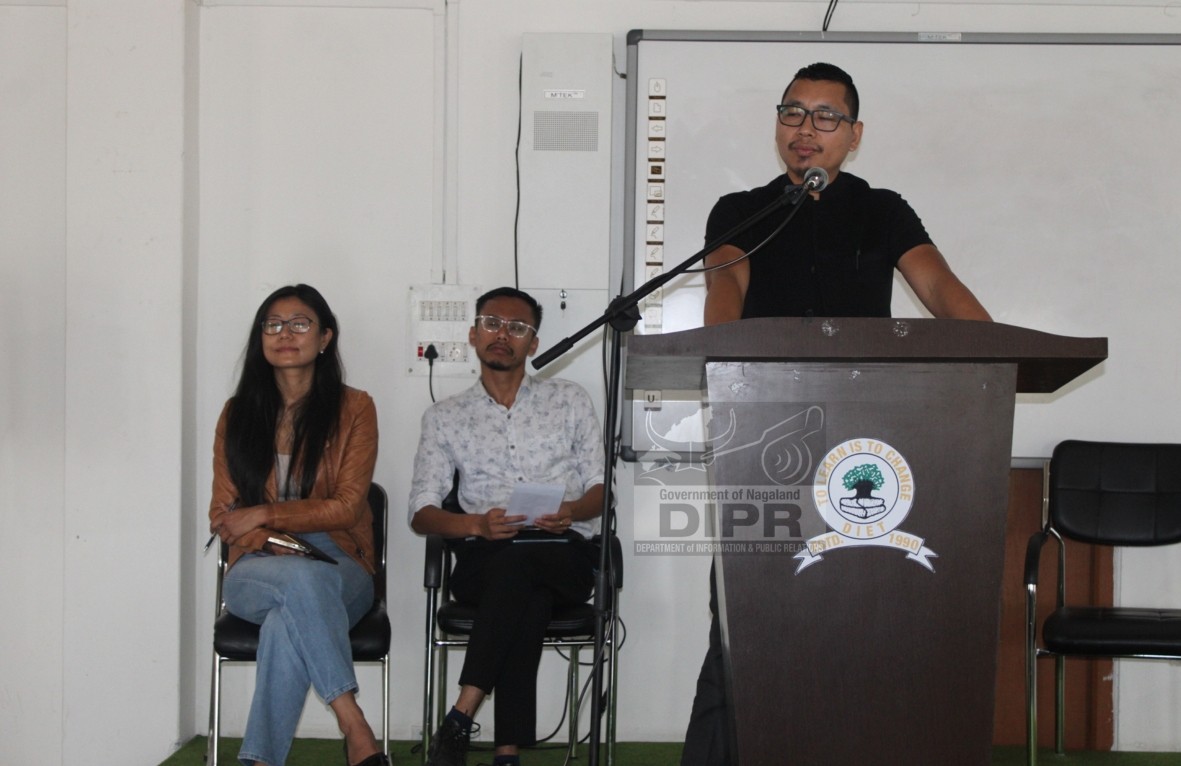
Advisor for SCERT and Food Processing, Achumbemo Kikon, in his speech, commended the Department of Industries & Commerce for completing the expansion project. Highlighting the department's roadmap, Kikon outlined the "Six P's" vision for the Food Processing Department—Production, Processing, Preservation, Packaging, Pricing and Patenting. He said the department would pursue these priorities in a mission mode to strengthen the food processing ecosystem and enhance value addition across the state.
Emphasising the importance of food processing in every region, he said the sector has immense potential to generate employment, improve farmers' income and promote sustainable economic growth. He called for the cooperation and active participation of village communities in building a self-reliant economy and reviving a culture of self-sufficiency.
Sharing the department’s vision, Advisor for Industries & Commerce, Hekani Jakhalu stated that the department envisions replicating the food processing model in all districts of the state, with each district developing facilities based on its unique resources, agricultural strengths and local produce. She said the objective was not merely to install machinery, but to establish functional food processing ecosystems that would improve farmers' income, generate employment opportunities, create profitable enterprises and strengthen local economies.
Jakhalu said food processing should be viewed as a complete value chain linking farms, processing units and markets. She noted that the department's focus was on creating a sustainable ecosystem that would enable local produce to be processed, packaged and marketed effectively.
Drawing lessons from past experiences, she observed that infrastructure alone could not guarantee industrial success. Sustainable growth, she said, required several supporting components, including a reliable supply of raw materials from farmers, a trained workforce to operate and manage facilities, adequate working capital for procurement and daily operations, proper packaging and branding to ensure quality and marketability, and strong market linkages connecting producers to buyers and retailers.
She expressed confidence that with coordinated efforts from the government, farming communities, entrepreneurs and other stakeholders, the food processing sector could emerge as a key driver of economic development, employment generation and rural prosperity in the state.
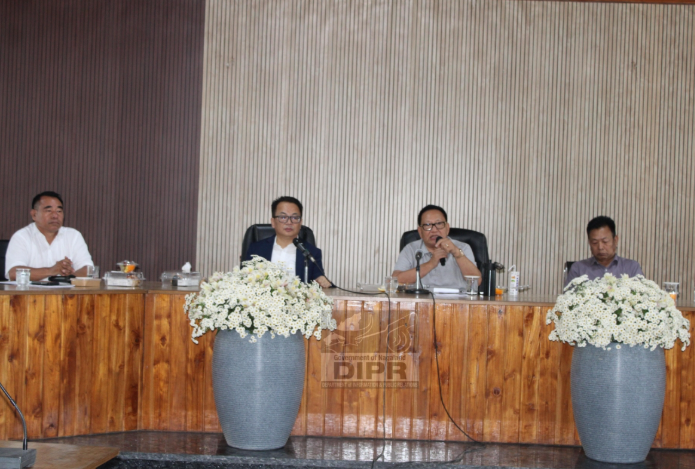
Earlier, Secretary, Industries & Commerce, Kumar Ramnikant, IAS, delivered the welcome address, while the programme was chaired by Director of Industries & Commerce, P. Tokugha Sema.
(Samuel, IA Chumoukedima)