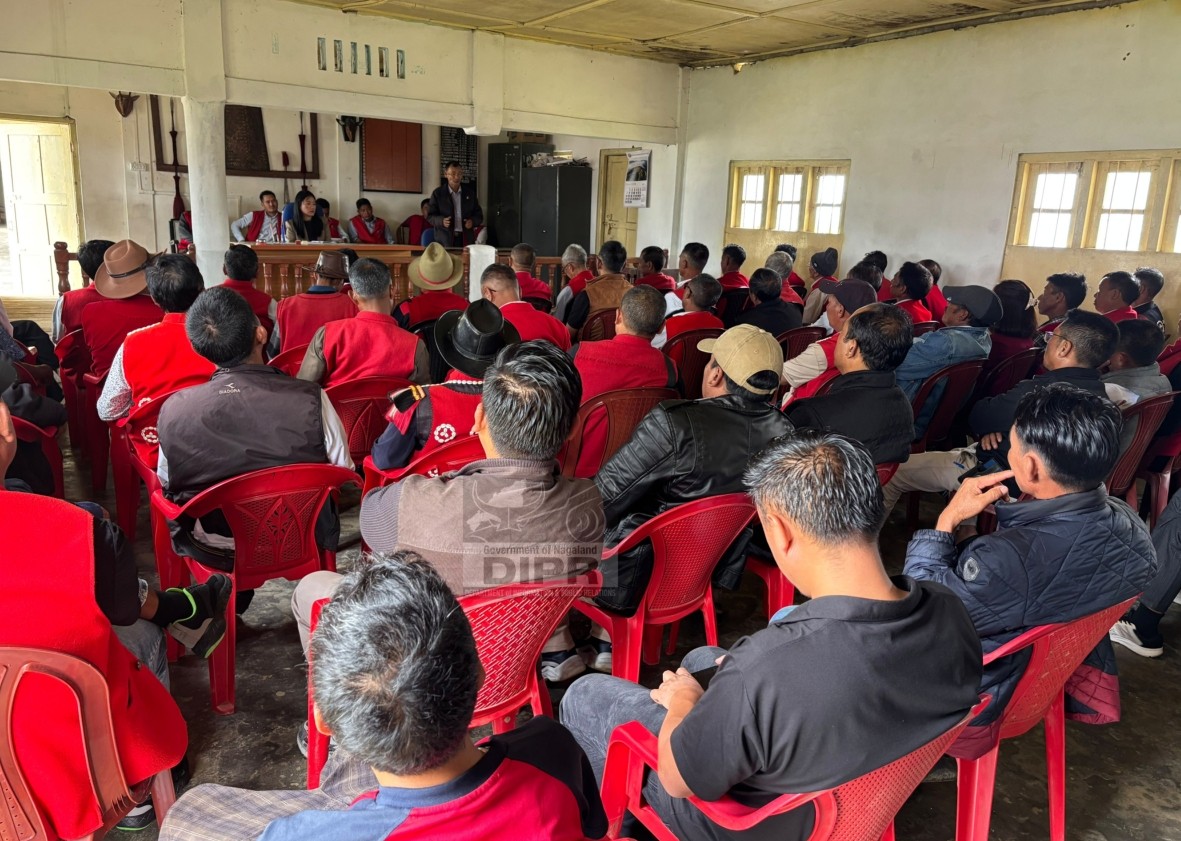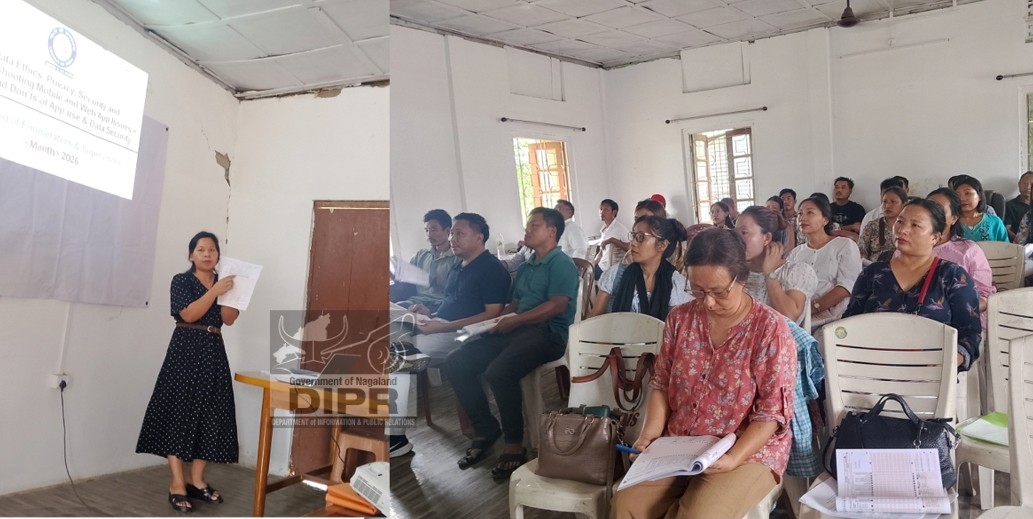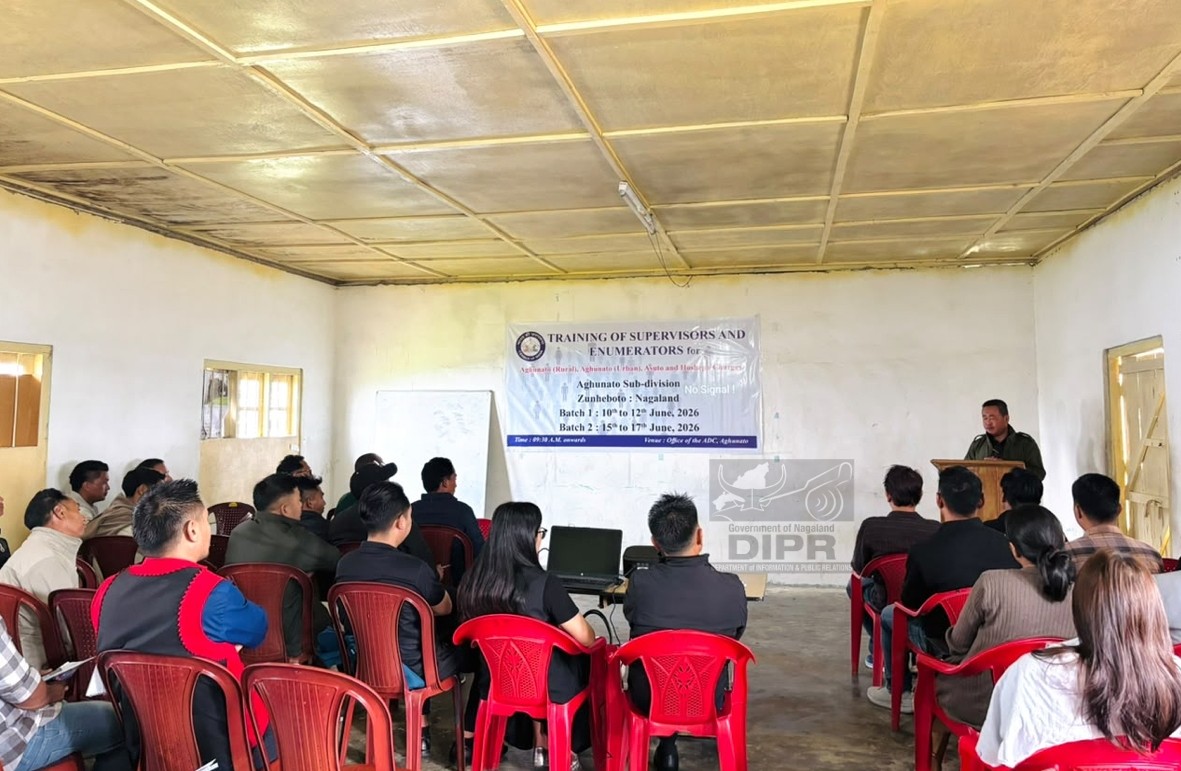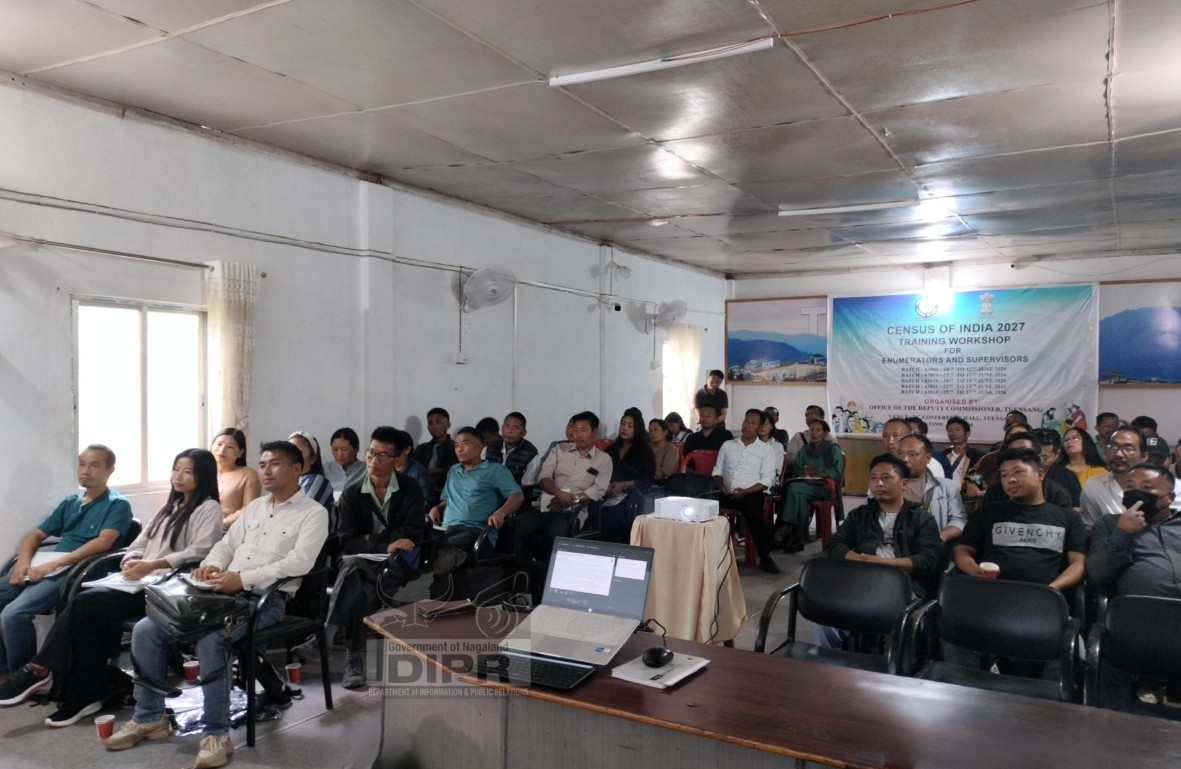

The Department of Animal Husbandry & Veterinary, Wokha, organised a district-level training programme for para-veterinarians and livestock farmers on 23rd April 2026, at the office of the Chief Veterinary & Animal Husbandry Officer, Zero Point Vankhosung, Wokha. The programme aimed to raise awareness about livestock insurance schemes and strengthen local livestock rearing practices.
The training covered pigs, cattle, sheep, goats, and poultry, with emphasis on reducing dependence on animals sourced from outside the state.
Chief Veterinary & Animal Husbandry Officer, Dr. K. N. Zubemo Humtsoe, highlighted that livestock losses, particularly pigs, often result in severe financial setbacks for farmers. He informed that the department, in collaboration with the government, has introduced a livestock insurance scheme to provide financial security to farmers. He explained that insured animals must be ear-tagged for identification, and in case of death, a post-mortem examination and burial would be conducted as per standard operating procedures. Formalities including weighing and claim processing would be completed within 14 days.
Dr. Humtsoe described the initiative as a crucial step towards mitigating economic losses and aligning with the broader vision of Viksit Bharat. He urged farmers to source livestock locally to strengthen self-reliance in meat production. Under the scheme, 85 percent of the insurance premium is subsidised by the government, leaving farmers to pay only 15 percent. Compensation is determined by the weight of the animal.
The technical session was conducted by VS & District Nodal Officer for Livestock Insurance, Dr. Gwazenlo Tep, who reiterated the importance of ear-tagging and assured departmental assistance in the process. He elaborated on the benefits of livestock insurance, noting that it provides financial protection against death, loss, or damage due to specified risks. He guided participants through documentation and claim settlement procedures, adding that the scheme covers pigs, cattle, mithun, buffaloes, sheep, goats, and poultry.
The programme concluded with an interactive session, during which farmers clarified their doubts. Participants expressed confidence in rearing livestock, citing the insurance scheme as a vital support mechanism for sustainable farming.
(DPRO and IA Wokha)