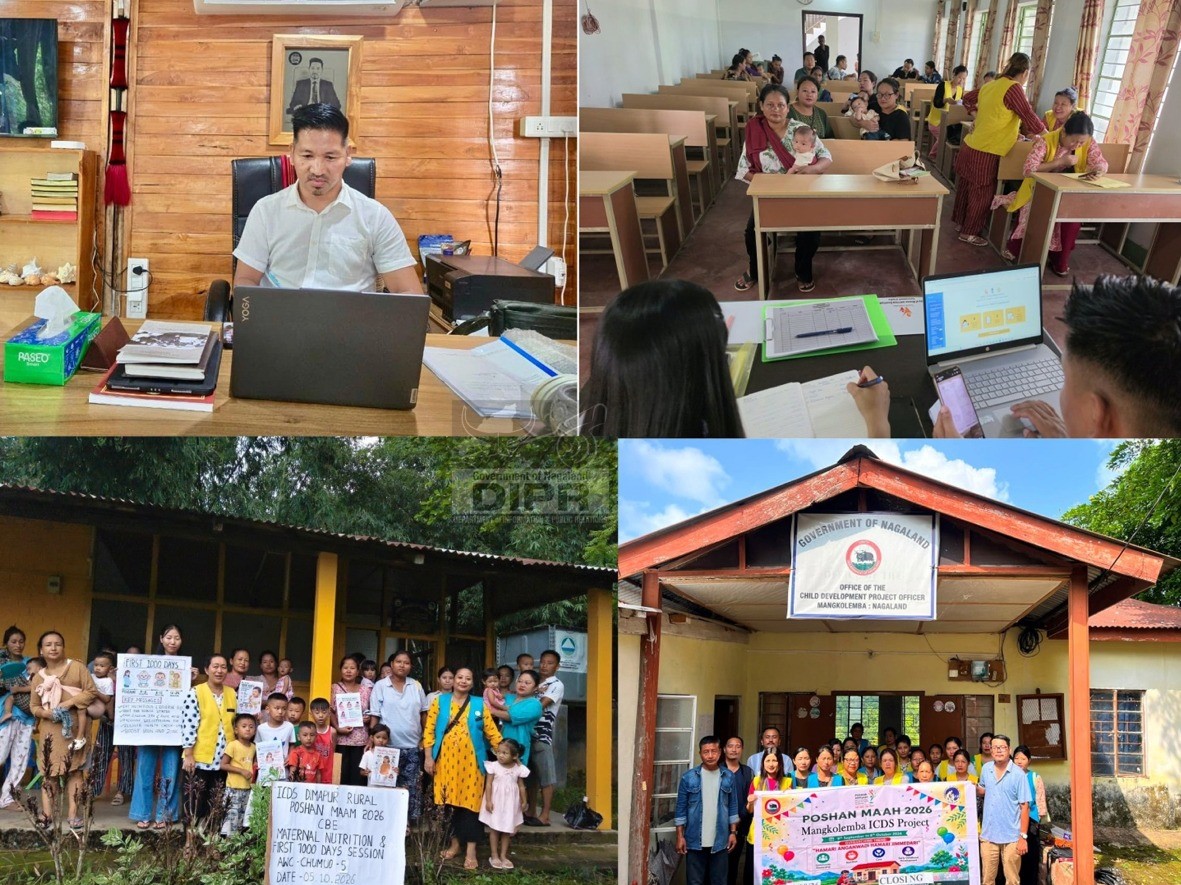
The 9th Rashtriya Poshan Maah 2026 brought everyday responsibilities into focus in Nagaland, turning nutrition awareness into a collective movement across villages, towns and households. Under the theme “Hamari Anganwadi, Hamari Jimmedari”, the campaign recorded 25,440 activities across all 17 districts, reflecting widespread participation in the effort to improve nutrition, maternal health and early childhood development.
According to the data provided by the Poshan Abhiyaan Jan Andolan dashboard and State Project Management Unit (SPMU), Department of Social Welfare, as of 9th October, 2026, Mokokchung led the state with 3,076 activities, followed by Mon with 2,609, Peren with 2,597, Zunheboto with 2,575 and Tuensang with 2,074. Wokha recorded 1,834 activities, Longleng 1,804, Phek 1,549, Kohima 1,490, Chumoukedima 1,113, and Dimapur 1,066. In all, eleven districts crossed 1,000 activities, while newly formed districts Niuland, Shamator, Tseminyu, Noklak and Meluri also participated through Anganwadi-led initiatives.
At the heart of Poshan Maah is Jan Andolan, a people's movement, which recognises nutrition as a shared responsibility rather than a government programme alone. Led by the Department of Social Welfare under POSHAN Abhiyaan, the campaign encouraged families and communities to take greater ownership of their Anganwadi Centres, and to make nutrition an integral part of everyday life.
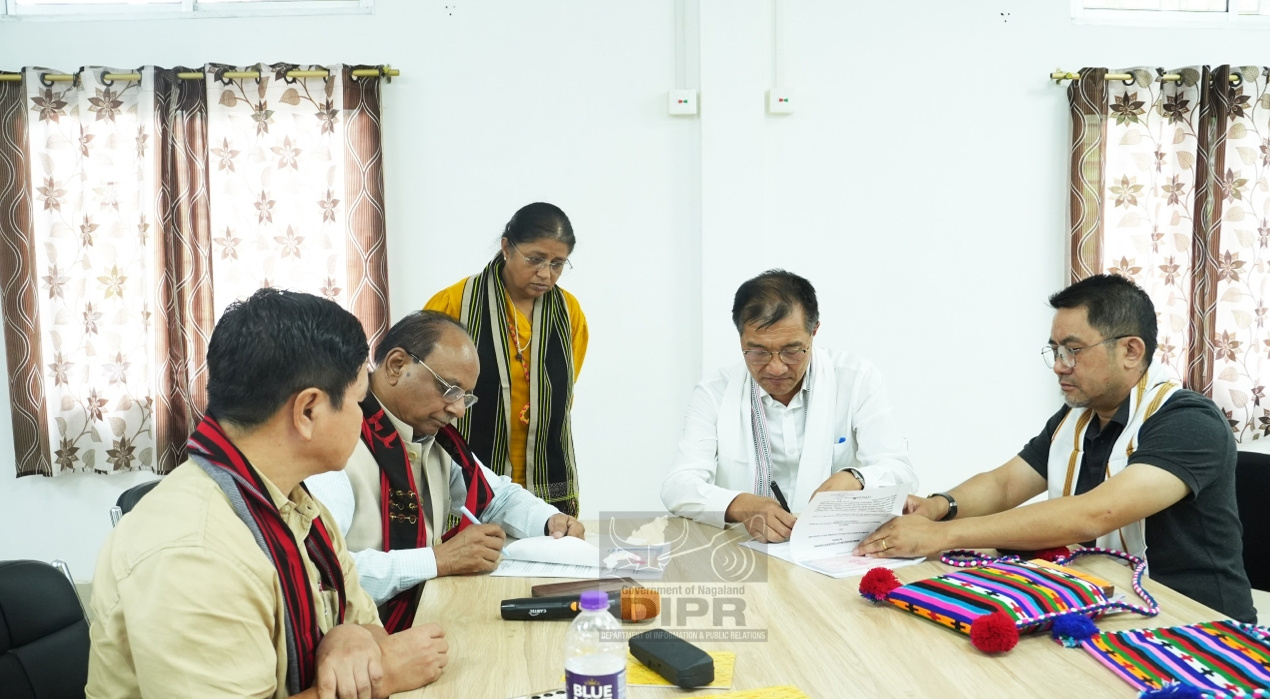
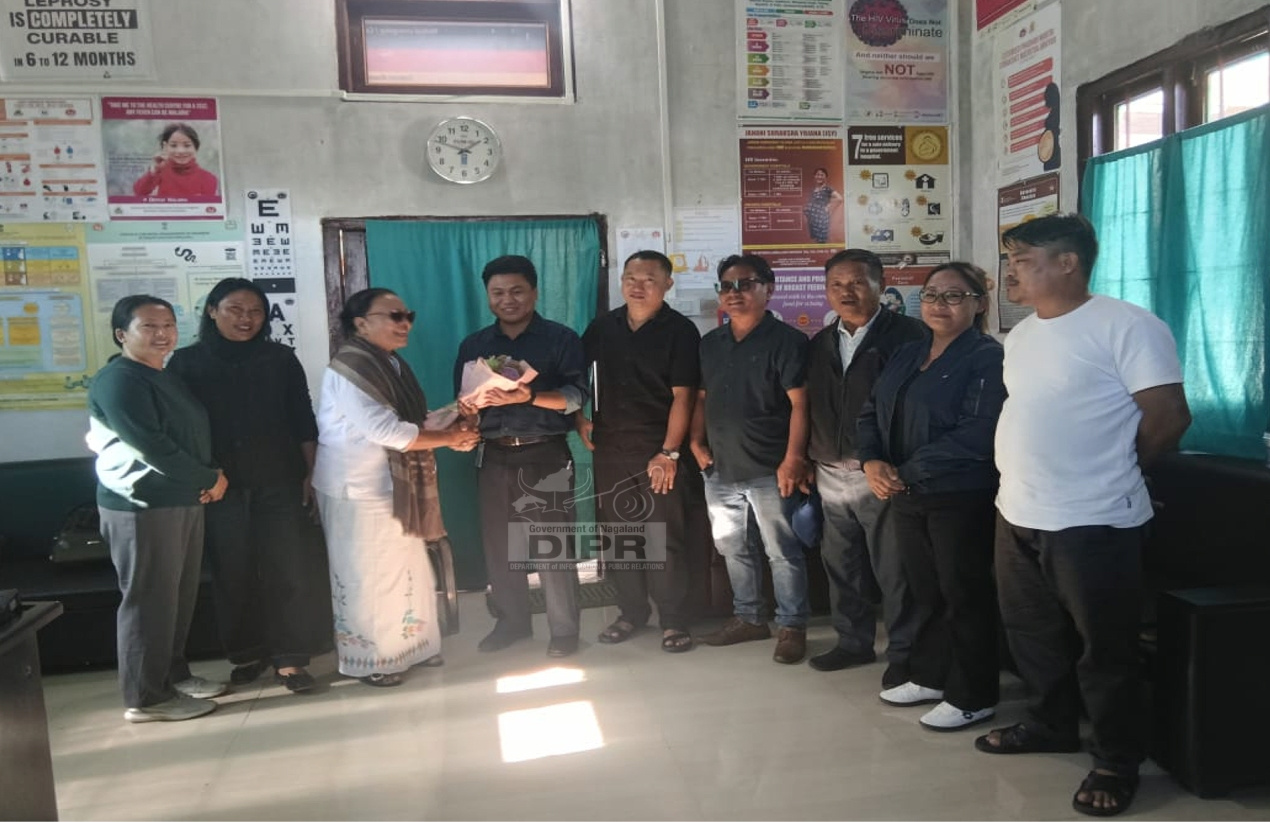
Mothers, fathers, grandparents, youth, Self-Help Groups (SHGs), Village Councils, church and civil society leaders, teachers, health workers and media representatives came together through pledges, rallies, Poshan Melas, recipe demonstrations, hot cooked meal activities and community meetings. These initiatives brought nutrition discussions beyond Anganwadi Centres and into the wider community, encouraging people to participate in improving the health and well-being of mothers and children.
The national campaign is led by the Ministry of Women and Child Development (MoWCD), and was launched under POSHAN Abhiyaan, the Prime Minister's Overarching Scheme for Holistic Nourishment, on 8th March, 2018, at Jhunjhunu, Rajasthan. Observed every September, Rashtriya Poshan Maah is complemented by Poshan Pakhwada during March-April and now operates within Mission Saksham Anganwadi and Poshan 2.0.
The 9th edition was launched nationally on 9th September, 2026, with five priorities: dietary diversity and adequate protein, fresh hot cooked meals at Anganwadi Centres, community ownership and accountability, childhood nutrition and early stimulation, and marking 10 years of the Pradhan Mantri Matru Vandana Yojana (PMMVY).
Since 2018, more than 150 crore Jan Andolan activities have been conducted nationally through Poshan Maah, Poshan Pakhwada and related community initiatives. As of 31st July, 2026, India had nearly 13.99 lakh Anganwadi Centres serving approximately 8.94 crore beneficiaries, including children aged between six months to six years, pregnant women, lactating mothers and adolescent girls.
The campaign places particular emphasis on the first 1,000 days, from conception to a child's second birthday, when adequate nutrition and responsive care shapes growth, brain development and learning. It also seeks to turn nutrition awareness into lasting household practices, supported by convergence among departments and community participation. The Poshan Tracker enables near real-time monitoring of Anganwadi services and child growth, while PMMVY has transferred over ₹21,000 crore through Direct Benefit Transfer to more than 4.65 crore mothers during its first 10 years.
In Nagaland, Nutrition, Early Stimulation and Education for Childhood Development recorded the highest number of activities at 5,679. The initiatives focused on the first 1,000 days and the first six years of life, promoting responsive caregiving, the revised Home Visit Schedule and age-appropriate learning through Navchetna and Aadharshila. Mokokchung, Peren and Zunheboto led this category.
Community Ownership and Accountability recorded 5,093 activities, mobilising Village Councils, SHGs, parents, caregivers, youth and community leaders to strengthen participation and responsibility towards Anganwadi Centres. The strongest participation came from Mokokchung with 903 activities, followed by Zunheboto with 564, and Mon with 530.
Fresh Hot Cooked Meals at Anganwadi Centres accounted for 4,903 activities, highlighting the importance of fresh, nutritious meals through demonstrations, tasting sessions and weekly menu rotation. Mokokchung led with 696 activities, followed by Mon with 684, and Peren with 540.
Dietary Diversity and Adequate Protein recorded 3,799 activities, promoting locally available protein-rich foods, healthy recipes, Poshan Melas and nutrition garden produce. Tuensang led with 502 activities, followed by Wokha with 435 and Peren with 429 set the pace.
PMMVY: Cash Transfers for Maternal Health accounted for 2,106 activities, marking the scheme's 10-year milestone through enrolment, registration and verification drives for eligible mothers. Mokokchung recorded 301 activities, Mon 273 and Zunheboto 217 emerged as the leading districts.
The remaining 3,860 activities were grouped under other initiatives, including nutrition pledges, rallies, plantation drives, school programmes, adolescent outreach and other local activities. Together, the six categories accounted for the state's total of 25,440 activities.
To extend awareness beyond Anganwadi Centres, the SPMU supported a mass-media campaign featuring thematic messages in English and vernacular newspapers, sponsored programmes on All India Radio (AIR), and Jingles (AIR) highlighting dietary diversity, hot cooked meals, PMMVY and community ownership. The outreach sought to reach households across the state, including remote and hilly areas, and reinforce nutrition messages through accessible public communication.
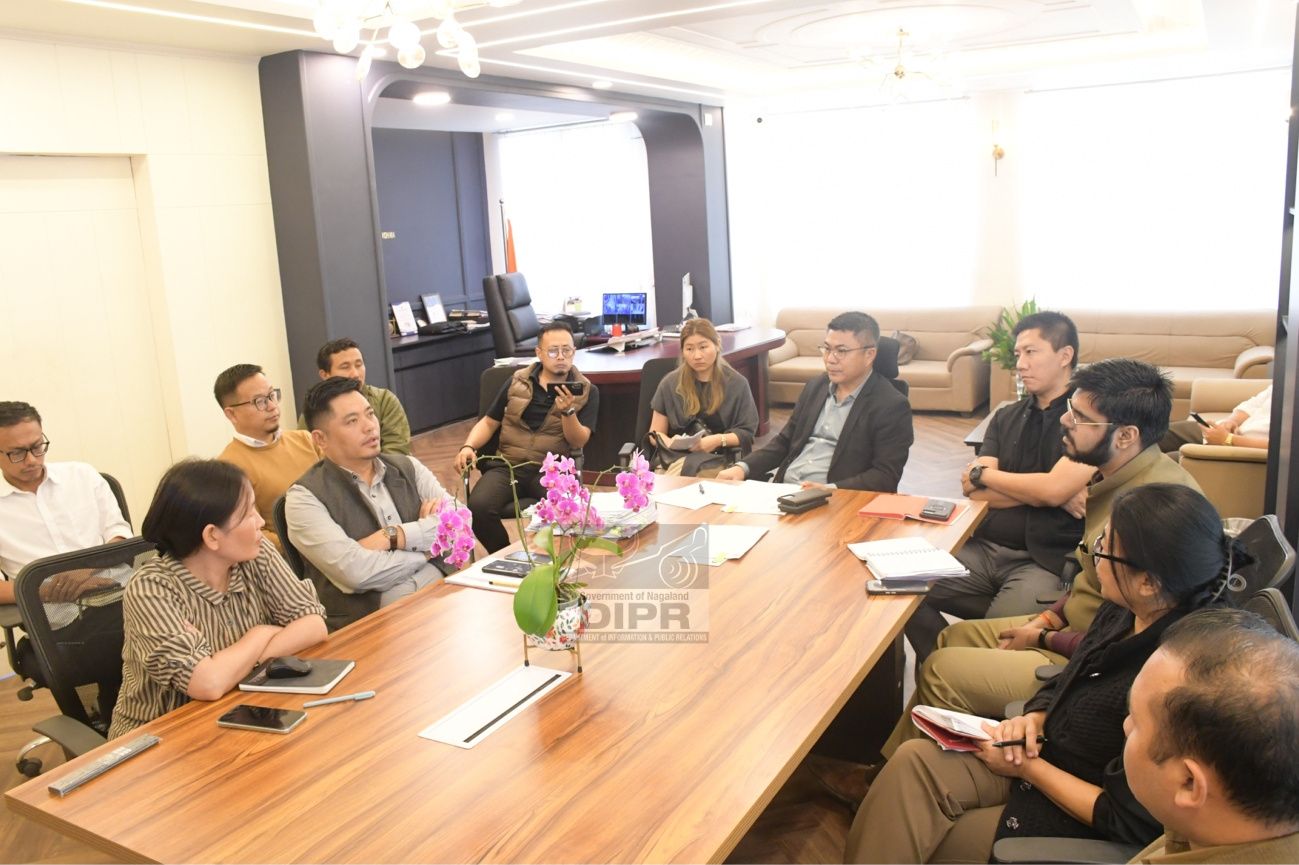
Poshan Maah in Nagaland was a whole-of-government led by the Department of Social Welfare. It worked in convergence with Health and Family Welfare, School Education, Agriculture, Horticulture, Nagaland State Rural Livelihoods Mission under Rural Development (NSRLM-RD), and AYUSH, along with local administration and community institutions.
Health teams supported growth monitoring and Village Health, Sanitation and Nutrition Day (VHSND) sessions, while Agriculture and Horticulture promoted local produce and nutrition gardens. School Education reached children and adolescents, and NSRLM-RD mobilised SHG women. Village Councils and community leaders helped anchor the campaign at the grassroots level.
District participation reflected different local strengths. The involvement of all 17 districts demonstrated how a common state and national objective could be pursued through locally relevant activities.
The SPMU, Rashtriya Poshan Abhiyaan, Department of Social Welfare, acknowledged the contributions of convergent departments, District Task Forces, Child Development Project Officers (CDPOs), Supervisors, Anganwadi Workers and Helpers, ASHAs, ANMs, Village Councils, SHGs, media partners and citizens.
The department will continue to build on the momentum throughout the year, strengthening Anganwadi Centres as hubs of nutrition, care and learning. Through continued community engagement, coordinated services and greater ownership of Anganwadi Centres, Poshan Maah seeks to advance the goal of a healthier, well-nourished Nagaland where every child has the opportunity to grow and thrive.
(Mainodi Naben, IA)